

Have you ever wondered how much space you need around your furnace? It’s a common question that can save you from potential hazards and costly repairs. Whether you’re planning a home renovation or just doing some routine maintenance, understanding the minimum clearance around your furnace is essential for safety and efficiency.
Imagine trying to squeeze furniture or storage items too close to your heating system. Not only could this block airflow, but it might also create a fire hazard. This article will guide you through the recommended clearances, helping you ensure your furnace operates safely and efficiently. By the end, you’ll know exactly how to create a safe environment for your heating system.
Key Takeaways
- Minimum Clearance Requirements: Aim for at least 30 inches of clearance around gas and electric furnaces, while oil furnaces require 36 inches to ensure proper ventilation and safe operation.
- Importance of Airflow: Maintaining adequate space around your furnace prevents overheating and reduces fire hazards, maximizing both safety and efficiency.
- Installation Location Factors: Clearance needs vary based on installation location, such as basements or crawl spaces, which may require additional considerations for accessibility and ventilation.
- Consult Manufacturer Guidelines: Always refer to your furnace’s owner’s manual for specific clearance recommendations, as different models may have unique requirements.
- Potential Risks of Insufficient Clearance: Crowding the furnace can lead to overheating, increased fire hazards, and reduced efficiency, resulting in higher energy bills and potential equipment damage.
- Check Local Building Codes: Stay informed about your area’s regulations, as they may impose stricter clearance requirements than general guidelines.
Recommended Products

[Heater Thermocouple with Adapter Fitting] Replacement part number: CQ100A1039. Boiler thermocouple serves as great replacement part for Honeywell, with a length of 30 inches.

【Model Description】CQ100A1039 Pilot thermocouple, a versatile universal thermocouple and reliable thermal coupler, is compatible with Honeywell water heaters, furnaces & boilers. It works as a high-performance thermocouple for water heater, thermocouple for furnace, and even gas fireplace thermocouple, fitting twist-in, clamp-in and push-in type pilot burners.
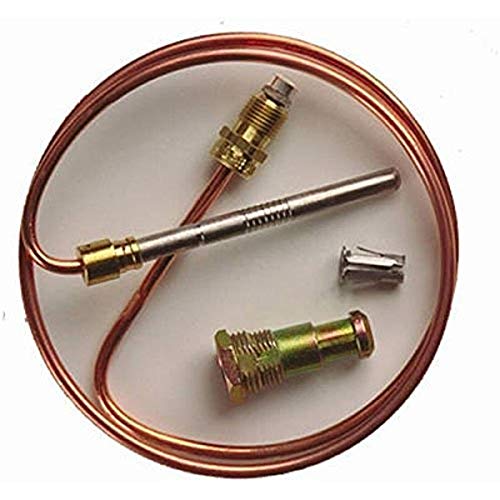
The product is easy to use and highly durable
Understanding Furnace Clearance Requirements
Maintaining adequate clearance around your furnace is crucial for safety and efficiency. Proper spacing prevents hazards and ensures your heating system functions optimally.
Recommended Products
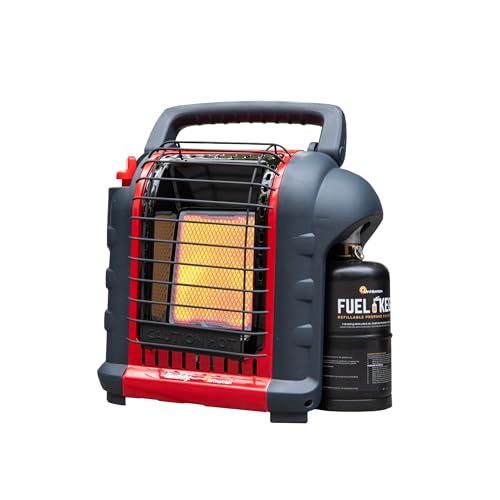
Emits 4,000 or 9,000 BTU/hr radiant heat

Safety Protection: The thermocouple links up with a solenoid valve to form a safety barrier. When gas leakage sneaks in or the fire burns out unexpectedly, it immediately cuts off the gas supply, so the universal thermocouple againsts gas related dangers

Consistent And Efficient Heating For Every Room: The Rinnai direct vent wall heater ensures optimal temperature control with advanced modulating technology, effectively eliminating cold spots for a cozy living environment
Importance of Proper Clearance
Proper clearance around your furnace preserves airflow and reduces fire hazards. Insufficient space can lead to overheating, which may damage the unit or nearby objects. For instance, placing items like boxes or furniture too close might obstruct ventilation, elevating the risk of carbon monoxide buildup. Ensuring a clear zone allows for effective servicing, minimizing potential issues during routine maintenance.
Common Regulations and Standards
Clearance guidelines vary by local building codes and manufacturer specifications. Most guidelines recommend at least 30 inches of clearance on all sides of the furnace. Specific furnaces may require different dimensions, so always consult the owner’s manual. Here’s a quick breakdown of common clearance requirements:
| Furnace Type | Recommended Clearance |
|---|---|
| Gas Furnace | 30 inches from the front, 12 inches from sides and back |
| Electric Furnace | 30 inches from all sides |
| Oil Furnace | 36 inches from the front, 18 inches from sides and back |
Adhering to these standards ensures safe operation and compliance with local codes. Always verify instructions for your specific unit to prevent any issues.
Factors Influencing Minimum Clearance
Understanding the factors that influence minimum clearance around a furnace helps you maintain safety and efficiency. Two main considerations include the type of furnace and the location of installation.
Type of Furnace
Clearance requirements vary based on the type of furnace installed in your home.
- Gas Furnaces: These typically require at least 30 inches of clearance on all sides for safe operation. If venting systems are present, additional space may be needed for accessibility.
- Electric Furnaces: Generally, they also need about 30 inches of clearance. Electric units, however, can sometimes be placed closer to walls, depending on local codes.
- Oil Furnaces: These often need a minimum of 36 inches of clearance to allow for proper ventilation and maintenance access.
Always consult the owner’s manual for specific recommendations based on the manufacturer’s guidelines.
Location of Installation
The installation location significantly impacts the required clearance around your furnace.
- Basements: If your furnace is located in a basement, ensure there’s enough space for maintenance access. Clear pathways enhance safety and make it easier to reach the unit.
- Crawl Spaces: In crawl spaces, maintaining proper clearance is crucial for ventilation. Limited space can lead to overheating, so follow clearance guidelines closely.
- Closets: Furnaces installed in closets need proper clearances as specified by local codes. Ensure adequate distance from walls or any storage items within the closet.
Always verify local building codes as they can vary by region, and follow these guidelines to create a safer home environment.
Recommended Minimum Clearances
Maintaining the right clearance around your furnace is essential for safety and efficiency. Here are specific guidelines to help you achieve the necessary spacing.
General Guidelines
Aim for at least 30 inches of clearance around all sides of your furnace. This distance allows for proper airflow and safe operation. Blocked airflow can lead to overheating, increasing fire risks. Ensure that you keep this area free from furniture, storage items, and other obstructions. Always consult your furnace’s owner’s manual for any additional clearance recommendations or specifications.
- Gas Furnaces: Maintain a minimum of 30 inches of clearance on all sides. This distance helps with ventilation and access during maintenance.
- Oil Furnaces: Require at least 36 inches of clearance on sides and top. The additional space accommodates larger service needs and helps in reducing fire hazards.
- Electric Furnaces: Generally need about 30 inches of clearance. Although local codes may vary, this standard helps ensure safe operation.
- Installation Locations: Clearances may differ based on where the furnace is installed. For example, furnaces in basements or crawl spaces require the same minimum clearances, but consider additional spacing if there’s limited access.
Verify local building codes, as they might impose stricter requirements than the general guidelines. Always prioritize safety in your home environment.
Consequences of Insufficient Clearance
Insufficient clearance around your furnace poses serious risks. Maintaining the recommended distances is crucial for safety and operating efficiency.
Safety Hazards
Safety hazards arise when objects crowd your furnace. Overheating may occur, leading to fires or equipment failure. Items like cardboard boxes or furniture can ignite quickly if exposed to high temperatures. Local building codes emphasize at least 30 inches of clearance on all sides for gas and electric furnaces to prevent these dangers. For oil furnaces, this requirement generally increases to 36 inches. Always keep the area free from flammable materials and ensure that pathways remain clear for emergency evacuations.
Impact on Furnace Efficiency
Insufficient clearance negatively affects your furnace’s efficiency. Restricted airflow makes the unit work harder, leading to increased energy consumption and higher utility bills. When airflow gets blocked, your furnace may cycle on and off more frequently, shortening its lifespan. For example, a furnace needing to operate without enough air can face overheating and premature wear on components. To maximize efficiency, ensure ample space around your furnace and regularly check for obstructions. Following these guidelines helps maintain optimal performance and reduces the likelihood of costly repairs.
Conclusion
Maintaining the right clearance around your furnace is essential for both safety and efficiency. By ensuring you have adequate space you’re not only protecting your home but also prolonging the life of your heating system.
Remember to regularly check for any obstructions and keep the area clear of flammable materials. Following local building codes and manufacturer guidelines will help you avoid potential hazards.
So take a moment to assess your furnace’s surroundings. A little attention can go a long way in creating a safe and efficient heating environment for your home.
Frequently Asked Questions
What is the recommended clearance around a furnace?
To ensure safety and efficiency, it’s generally recommended to maintain at least 30 inches of clearance on all sides of a furnace. However, specific requirements can vary based on the type of furnace and local building codes, so it’s essential to consult the manufacturer’s guidelines.
Why is clearance around a furnace important?
Adequate clearance around your furnace is crucial for preserving airflow, reducing fire hazards, and preventing overheating. Insufficient space can lead to serious safety risks, equipment failure, and decreased efficiency, ultimately increasing energy costs.
What are the risks of insufficient clearance near a furnace?
Placing objects too close to a furnace can create significant hazards, including overheating, increased fire risks, and potential equipment failure. It’s vital to keep the area clear of flammable materials and ensure accessible pathways for emergency situations.
How do local codes affect furnace clearance requirements?
Local building codes can dictate specific clearance requirements based on the type of furnace you have. Familiarizing yourself with these regulations helps ensure compliance and safe operation, so checking local guidelines is essential when planning your furnace space.
How does installation location impact clearance requirements?
The installation location—like basements, crawl spaces, or closets—can influence the necessary clearance around a furnace. It’s important to consider the space’s dimensions and consult your furnace’s manual for specific recommendations to ensure safety and efficiency.
