

Have you ever found yourself shivering during a power outage, wishing you could keep your furnace running? You’re not alone. Many people face the frustration of a cold home when the lights go out, but there’s a simple solution that can keep you warm and comfortable.
Key Takeaways
- Understand Your Furnace System: Familiarize yourself with the types of furnaces (gas, electric, oil) and their components, including thermostats, blower motors, and control boards, to effectively wire to a generator.
- Prioritize Safety Measures: Always turn off the power to your furnace before starting work, use safety gear, and confirm that circuits are de-energized to prevent electrical hazards.
- Gather Necessary Tools and Materials: Ensure you have essential tools like screwdrivers and a multimeter, and materials such as appropriate gauge electrical wire and a transfer switch for a successful wiring process.
- Follow a Step-by-Step Wiring Guide: Connect your generator to the furnace’s transfer switch, label your connections, and double-check against your furnace manual to ensure proper setup and operation.
- Troubleshoot Common Issues: Be prepared to identify and resolve power problems or wiring conflicts by regularly checking connections, generator output, and ensuring correct wire gauge usage to maintain safe operation.
- Implement Maintenance Practices: Regularly inspect your furnace and generator, test your equipment monthly, and address any issues promptly to ensure reliable performance during power outages.
Understanding Your Furnace System
Understanding your furnace system is crucial for wiring it to a generator effectively. Knowledge about its components and types enables better troubleshooting during power outages.
Types of Furnaces
Furnaces come in several types, each with unique features. Recognizing your furnace type helps you determine the right wiring method.
- Gas Furnaces: These operate using natural gas or propane. They require electrical power for ignition and controls.
- Electric Furnaces: These use electricity as the heat source and rely entirely on electrical components to function.
- Oil Furnaces: These burn oil for heat and also need electricity for ignition and blower motors.
- Central Heating Systems: These distribute warm air through ducts. Understanding the ductwork is essential for both operation and generator connections.
Basic Electrical Components
Familiarity with fundamental electrical components in your furnace is vital for safe wiring.
- Thermostat: Controls temperature settings. Ensure it’s compatible with generator use.
- Blower Motor: Circulates air. It requires power, so check its voltage and amp requirements.
- Ignition System: Starts the heating process in gas and oil furnaces. Understand its power needs and circuitry.
- Control Board: Acts as the brain of the operation. Familiarize yourself with its wiring layout for proper generator integration.
Knowing these components equips you to wire your furnace to a generator confidently, ensuring warmth and comfort during outages.
Preparing for Generator Wiring
Preparing for generator wiring involves understanding safety measures and gathering the necessary tools and materials. Use this guide to ensure a smooth process.
Safety Precautions
- Turn Off Power: Disconnect your furnace from the main power supply before starting any work.
- Use Proper Gear: Wear safety goggles and gloves to protect yourself while handling electrical components.
- Avoid Water: Ensure the work area is dry. Water can pose serious electrical hazards.
- Follow Local Codes: Check local electrical codes and regulations to ensure compliance while working on your system.
- Test Equipment: Use a multimeter to confirm that circuits are de-energized before touching any wiring.
- Tools:
- Screwdrivers: Use flathead and Phillips screwdrivers for various screws.
- Wire Strippers: Essential for preparing wires for connections.
- Utility Knife: Helpful for cutting insulation off wires.
- Multimeter: Needed for testing voltage and continuity.
- Pliers: Handy for grasping and twisting wires.
- Materials:
- Electrical Wire: Utilize appropriate gauge wire based on your furnace and generator specifications.
- Connectors: Use splices or terminal blocks to secure wire connections.
- Electrical Tape: Required for insulating exposed wires and connections.
- Circuit Breaker: A generator-rated transfer switch protects your circuits.
- Installation Manual: Reference your furnace and generator manuals for specific wiring instructions.
By following safety precautions and gathering the necessary tools and materials, you prepare effectively for wiring your furnace to a generator.
Step-by-Step Guide to Wiring Your Furnace
Wiring your furnace to a generator involves several key steps. This process ensures your heating system provides warmth during power outages.
Connecting the Generator to the Transfer Switch
- Choose a Suitable Transfer Switch
Select a transfer switch that matches your generator’s wattage output and your furnace requirements. - Turn Off Power Supply
Switch off the main power supply to your home. This prevents accidents while connecting the generator. - Install the Transfer Switch
Mount the transfer switch near your electrical panel. Ensure it’s easily accessible for when you need to switch to generator power. - Make Connections
Use appropriate gauge wire to connect the generator to the transfer switch. Follow the transfer switch instructions for wiring. - Label Your Connections
Clearly label wires and terminals. This reduces confusion during future connections and maintenance. - Test the System
After installation, test the transfer switch with the generator running. Confirm that power is directed correctly to your furnace.
- Review the Furnace Manual
Familiarize yourself with your furnace’s wiring schematic. Check the manual for specific guidance on connections. - Disconnect Power to the Furnace
Turn off the furnace power switch and remove the fuse or breaker to prevent any electrical shock. - Locate Key Components
Identify the wiring points of the thermostat, blower motor, and ignition system within your furnace. - Connect Electrical Wires
Use heavy-duty electrical wire to connect the furnace’s power input to the generator’s output. Ensure connections are tight and secure. - Wire the Thermostat
Connect thermostat wires to the generator according to the manufacturer’s specifications. Ensure proper polarity is maintained. - Install a Circuit Breaker
Incorporate a circuit breaker in the wiring setup. It protects against overload, ensuring safe operation. - Secure Wires and Components
Bundle and secure any loose wires to avoid interference with moving parts within the furnace. - Turn on Power
Reconnect the power to your furnace and generator. Check for any unusual sounds or issues during operation.
These steps help ensure your furnace runs efficiently when connected to a generator. Follow manufacturer guidelines and local codes to maintain safety.
Troubleshooting Common Issues
When wiring your furnace to a generator, you might encounter several issues. Knowing how to troubleshoot these problems helps maintain warmth during outages.
Recommended Products
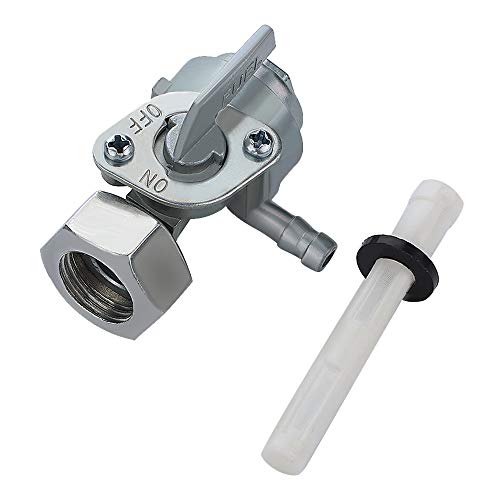
Petcock Fuel Shutoff Valve Nut threading 16mm x 1.5mm; 22mm hex nut ( Please compare with your original carefully brfore ordering.) Predator Generator Parts

Constant Output:Two stage regulator stabilizes the output flow of the product much better than a single regulator

Powerful Engine: 80cc OHV high performance 4 cycle engine. This portable inverter generator is fuel-efficient, reliable, providing long life and excellent heat dissipation.
Identifying Power Problems
Check your generator’s power output first. Ensure it matches the furnace’s voltage requirements. If the furnace isn’t running, confirm the generator is fueled, turned on, and functioning correctly. Use a multimeter to measure voltage at the outlet. If it’s low or nonexistent, inspect the generator for issues such as a tripped circuit breaker or faulty connections.
Resolving Wiring Conflicts
Wiring conflicts can arise if connections are improperly made. Start by verifying that each wire is connected to the correct terminal based on the furnace manual. Ensure that the wire gauge used suits the amperage requirement of your furnace to avoid overheating risks. If you experience a power surge, check for loose connections. Tighten screws and re-secure terminals as needed. In case of persistent issues, consult an electrician for further assistance.
Maintenance Tips for Your System
Maintaining your furnace and generator system ensures reliable performance during outages. Regular upkeep minimizes risks and enhances efficiency.
Regular Inspection Checklist
- Inspect Connections: Check all wire connections for signs of wear or corrosion. Secure connections help prevent electrical failures.
- Test the Generator: Run your generator monthly to verify it operates smoothly. Listen for unusual noises that may indicate problems.
- Examine Filters: Change air filters every 1-3 months. Clogged filters reduce airflow and strain your furnace, affecting efficiency.
- Check Fluid Levels: Monitor the fuel levels in the generator and the oil in the furnace. Maintaining proper levels prevents unexpected shutdowns.
- Look for Leaks: Inspect the furnace and generator for gas or oil leaks. Address leaks immediately to avoid safety hazards.
- Clean Components: Remove dust and debris from the furnace and generator. Regular cleaning prolongs the life of your equipment.
- Install a Transfer Switch: Upgrading to a manual or automatic transfer switch provides a safer, more convenient connection between your generator and furnace.
- Consider a Surge Protector: Protect electrical components from power surges with a surge protector. This upgrade helps safeguard your furnace and generator from damage.
- Upgrade to High-Efficiency Filters: Investing in high-efficiency filters improves air quality and furnace performance. These filters capture more particles and require less frequent replacement.
- Upgrade Thermostat: Consider a smart thermostat for better control over your heating system. These devices can automate settings based on your schedule, optimizing energy use.
- Add Battery Backup: A battery backup system ensures your thermostat and other essential components remain operational during power cuts. This upgrade enhances reliability.
Conclusion
Wiring your furnace to a generator can be a game-changer during power outages. By taking the time to understand your system and following the right steps, you can ensure your home stays warm and comfortable even when the lights go out.
Remember to prioritize safety and regular maintenance to keep both your furnace and generator in top shape. With a little preparation and the right tools, you’ll be ready to tackle any power interruption that comes your way. Stay warm and enjoy the peace of mind that comes with being prepared!
Frequently Asked Questions
How can I keep warm during a power outage?
During a power outage, dress in layers, use blankets, and consider safe alternatives like a wood stove or fireplace. Additionally, using battery-operated heaters can help when electricity is unavailable.
What types of furnaces are discussed in the article?
The article covers several furnace types including gas, electric, oil, and central heating systems, emphasizing their unique features and considerations for wiring to a generator.
What tools do I need to wire my furnace to a generator?
Essential tools include screwdrivers, wire strippers, a utility knife, a multimeter, and pliers. These tools will help in ensuring a safe and effective wiring process.
What safety precautions should I take when wiring my furnace?
Always turn off the main power, wear protective gear, work in a dry area, follow local building codes, and test equipment with a multimeter to ensure safety.
What steps are involved in wiring my furnace to a generator?
First, turn off the main power, then install a transfer switch near the electrical panel. Make the appropriate connections with the correct gauge wire, label them, and test the system after installation.
How do I troubleshoot issues with my furnace-generator setup?
Check the generator’s power output to match the furnace’s voltage, ensure the generator is fueled, and verify wiring connections according to the furnace manual. Consult an electrician if issues persist.
What maintenance tips should I follow for my furnace and generator?
Regular maintenance includes checking wire connections, testing the generator, replacing air filters, and monitoring fluid levels. Consider upgrades like a transfer switch or smart thermostat for improved performance.
