

Have you ever stood near a warm window on a chilly day and felt the sun’s heat on your skin? That’s radiant heat at work. It’s that cozy warmth you experience without needing to be directly in contact with a heat source.
Understanding radiant heat can help you make better choices for heating your home or even enjoying outdoor spaces. This article will break down what radiant heat really means, how it differs from other types of heat transfer, and why it matters in your everyday life. You’ll discover practical insights that can enhance your comfort and efficiency, whether you’re planning a renovation or just trying to stay warm.
Key Takeaways
- Definition of Radiant Heat: Radiant heat transfers warmth through electromagnetic waves, directly warming objects rather than the surrounding air, making it efficient for immediate comfort.
- Comparison with Convection: Unlike convection, which circulates warm air, radiant heat provides direct warmth, leading to quicker heating experiences in homes and outdoor spaces.
- Applications: Radiant heat systems can be utilized in home heating, outdoor heating, industrial processes, and wellness practices, enhancing comfort and efficiency across various settings.
- Energy Efficiency: Radiant heating is often more energy-efficient than traditional methods, resulting in reduced energy costs and a smaller carbon footprint due to minimal heat loss.
- Health Benefits: Radiant heat improves indoor air quality by reducing dust and allergens and offers health benefits through therapies like infrared saunas.
- Considerations: Installation costs, response time, and flooring compatibility are important factors to assess when implementing radiant heating systems. Proper installation and maintenance are essential for safety and effectiveness.
Recommended Products

LUXURY AND COMFORT - Enjoy the warmth of LuxHeat's easy to install electric floor heating system. Electric floor heating promotes individual room control, ensuring personal comfort. Kit includes: 1x LuxHeat 20sqft (120volt) heating cable, 1x 30sqft Prova Flex-Heat uncoupling membrane, 1x Programmable Touchscreen thermostat (UWG5-4999), 1x alarm, 1x floor sensor (included with Thermostat), and 1x wood float, for decoupling membrane install.

LUXURY AND COMFORT: Heated floor system includes 40 sq. ft. (120 volt) floor heating mat, cable monitor/alarm, programmable thermostat with floor sensor for installation under tile, laminate, and more
LUXURY AND COMFORT: Heated floor system includes 100 sq. ft. (120 volt) floor heating mat, cable monitor/alarm, programmable thermostat with floor sensor for installation under tile, laminate, and more
Understanding Radiant Heat
Radiant heat refers to the transfer of heat through electromagnetic waves. It warms objects directly without needing to heat the air in between, making it an efficient method of heating.
Recommended Products

1S Fast Heating: The wall-mounted electric heater features a powerful 1500 watt output, providing fast heating with 98% efficiency. Not only does the infrared heater provide continuous warmth indoors or outdoors during the cold season
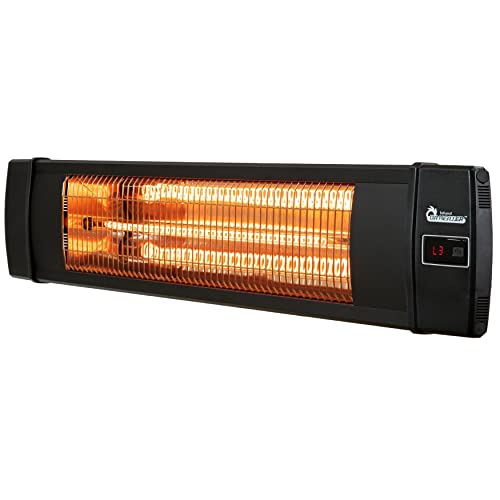
INDOOR and OUTDOOR HEATER - Heater is IP55 approved for both indoor and outdoor use - perfect for home, backyard, garages, open-air restaurant, outdoor patio or deck. Create a comfortable environment for both your indoor activities and outdoor recreation.

PURPOSE-BUILT UPGRADE — Enhance your design options with Eurofase's Suspension Kit, an ideal choice for spaces featuring high or sloped ceilings. Designed and specified by Eurofase for its electric patio heater systems.
Definition of Radiant Heat
Radiant heat occurs when heat energy travels in waves from a source to a surface. This includes sunlight warming your skin or heat from a fireplace warming the surrounding area. Unlike conduction or convection, radiant heat doesn’t rely on air movement or physical contact, allowing it to provide warmth even in open spaces.
Difference Between Radiant Heat and Convection
Radiant heat and convection differ in how they transfer warmth.
- Radiant Heat: Transfers energy directly through waves. You’ll feel it when you stand near a heater or a sunny window since heat travels directly to you.
- Convection: Moves heat through the air. Hot air rises, creating a cycle that circulates warmth throughout a room. This method can take longer to warm a space since it relies on air movement.
Both methods effectively heat, but radiant heat often provides immediate warmth, while convection takes time to feel warmer. Understanding these differences helps in making informed choices for heating solutions in your home or outdoor spaces.
Mechanisms of Heat Transfer
Understanding how heat moves through different mechanisms involves examining various methods of energy transfer: conduction, convection, and radiation. This section focuses on radiant heat and its unique attributes.
How Radiant Heat Works
Radiant heat operates through electromagnetic waves that travel directly to objects and surfaces. Unlike conduction, which requires direct contact, or convection, which relies on fluid movement, radiant heat does not heat the air surrounding objects. For example, when you stand in sunlight, you feel warmth on your skin without the air showing a significant temperature change. This efficiency means radiant heat can create immediate warmth in a space, enhancing comfort without heating the whole room.
Applications of Radiant Heat
Radiant heat has various practical applications, including:
- Home Heating: Radiant floor heating systems use pipes or electric cables beneath the floor, providing even warmth across the room. This method often leads to lower energy bills due to reduced heat loss.
- Outdoor Spaces: Infrared heaters used on patios or balconies provide warmth to people rather than air, allowing you to enjoy outdoor activities even in cooler weather.
- Industrial Processes: Factories utilize radiant heat for processes like curing or drying materials, as this method effectively transfers energy to surfaces without impacting surrounding environments.
- Health and Wellness: Infrared saunas use radiant heat to promote relaxation and improve circulation, providing health benefits as the heat penetrates the skin.
Radiant heat proves versatile and effective in various settings, offering immediate and efficient warmth.
Benefits of Radiant Heat
Radiant heat offers numerous advantages, making it a popular choice for heating solutions. You can enjoy improved energy efficiency and enhanced comfort through its unique properties.
Energy Efficiency
Radiant heat systems operate more efficiently than traditional heating methods. They heat objects and surfaces directly rather than warming the air first. This direct approach minimizes energy loss, leading to lower energy bills. For example, radiant floor heating can maintain a comfortable temperature at a lower thermostat setting compared to forced air systems. You’ll find that radiant heaters often require less energy, which results in a smaller carbon footprint.
Comfort and Health Benefits
Radiant heat creates a consistent warmth, eliminating cold spots in a room. You experience comfort without the drafts often associated with other heating types. Additionally, radiant heat doesn’t circulate dust, allergens, or bacteria as forced air systems do, which contributes to better indoor air quality. Using infrared saunas can provide therapeutic benefits, including improved circulation and muscle relaxation. Overall, radiant heat aligns comfort with health, making your living space cozier and healthier.
Challenges and Considerations
Understanding radiant heat involves recognizing its challenges and considerations for effective use.
Limitations of Radiant Heating Systems
Radiant heating systems have specific limitations that you should be aware of:
- Installation Costs: High upfront costs for installation can deter some homeowners. Systems like radiant floor heating often require extensive renovation.
- Response Time: Radiant heating systems may take longer to respond to temperature changes compared to forced-air systems. Adjustments in settings might not produce immediate changes in comfort.
- Temperature Regulation: Maintaining a consistent temperature across large spaces can be tricky. Cold spots may occur in areas furthest from the heat source.
- Flooring Needs: Certain flooring types, such as thick carpet, can inhibit efficient heat transfer. You might need specific materials for optimal performance.
Safety Precautions
Implementing safety precautions when using radiant heating enhances comfort and reduces risks:
- Ensure Proper Installation: Professional installation ensures that systems function safely and efficiently, preventing possible hazards.
- Follow Manufacturer Guidelines: Adhere to product specifications and guidelines for operation and maintenance, which helps ensure safety and longevity.
- Check Electrical Systems: If you use electric radiant systems, regularly inspect wiring and connections to avoid electrical hazards.
- Avoid Obstructions: Keep furniture and other items clear from heat sources to allow proper heat distribution and prevent overheating.
- Maintain Clearances: If using infrared heaters, maintain proper distances from flammable materials to reduce fire risks.
Keeping these limitations and safety precautions in mind helps you maximize the benefits of radiant heat while minimizing potential issues.
Conclusion
Radiant heat offers a unique and efficient way to stay warm by directly warming objects and surfaces rather than relying on heated air. This method not only enhances comfort but also promotes energy savings and better air quality. Whether you’re considering radiant floor heating for your home or enjoying the therapeutic benefits of an infrared sauna, understanding radiant heat can lead to more informed decisions.
By weighing its advantages against potential challenges, you can create a cozy and inviting environment that suits your needs. Embracing radiant heat could be a game changer for your comfort and efficiency.
Frequently Asked Questions
What is radiant heat?
Radiant heat is the transfer of warmth through electromagnetic waves, directly warming objects rather than heating the surrounding air. This method helps create immediate comfort, as experienced when standing near a warm window or fire.
How does radiant heat differ from convection?
Radiant heat transfers energy through waves directly to surfaces, providing instant warmth. In contrast, convection relies on air movement to distribute heat, which can take longer and create uneven temperatures in a space.
What are the benefits of using radiant heat?
Radiant heat systems are energy-efficient and provide consistent warmth, reducing cold spots and drafts. They improve indoor air quality by not circulating allergens and dust, and infrared saunas offer health benefits like improved circulation and muscle relaxation.
What are the challenges of radiant heating systems?
Challenges include high installation costs, slower response times to temperature changes, and the need for specific flooring types for optimal heat transfer. Additionally, maintaining consistent temperatures in large spaces can be difficult.
How can I improve the efficiency of radiant heat in my home?
To improve efficiency, ensure proper installation, use insulation, maintain clearances from flammable materials, and regularly inspect electrical systems. Choosing the right flooring can also enhance heat transfer for better performance.
