

Ever walked into a chilly room and wished for warm floors? Radiant floor heating can turn that wish into reality, but finding the right temperature can be tricky. Too hot, and you might feel uncomfortable; too cold, and you won’t get the cozy vibe you’re after.
Key Takeaways
- Optimal Temperature Ranges: For comfort, aim for 70°F to 80°F in living areas, 75°F to 85°F in bathrooms, and 68°F to 75°F in bedrooms.
- Energy Efficiency: Radiant floor heating systems often use lower water temperatures, reducing energy consumption and utility bills.
- Programmable Thermostats: Utilize programmable thermostats to efficiently manage schedules and adjust temperatures for different times of the day.
- Floor Covering Impact: Floor materials affect heat transfer; tile conducts heat better than thick carpets, which may require higher settings for warmth.
- Adjusting for Conditions: Modify temperature settings based on room usage, insulation quality, and seasonal changes to maintain ideal comfort levels.
- Common Mistakes: Avoid setting temperatures too high or too low for comfort, and be mindful of how different flooring types influence heat distribution.
Recommended Products
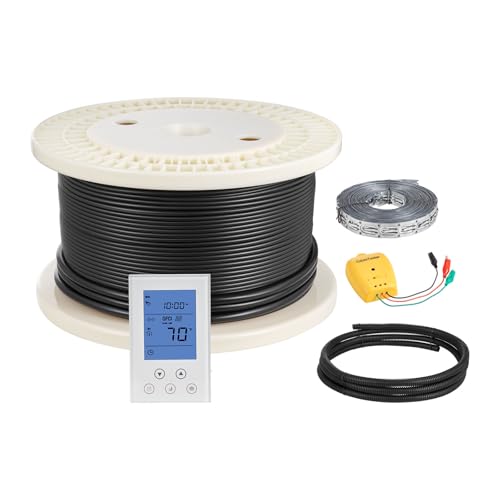
Smart Thermostat with Full Control: This 15A programmable thermostat with GFCI protection offers a 41°F–98.6°F (5°C–37°C) range, 7-day scheduling, 4 events/day, screen lock, dual-sensor monitoring (air & floor), for efficient, precise heating

COMPLIANCE - Electric Radiant floor heating thermostat for Under Tile, Carpet, Stone, Laminate, Engineered wood, and more. Thermostat Includes built-in Class A GFCI (Ground Fault Circuit Interrupter) - Required for all Underfloor Heating Systems . The UTN4-4999 is c UL us Listed for USA and Canada.

Smart Thermostat with Full Control: This 15A programmable thermostat with GFCI protection offers a 41°F–98.6°F (5°C–37°C) range, 7-day scheduling, 4 events/day, screen lock, dual-sensor monitoring (air & floor), for efficient, precise heating
Understanding Radiant Floor Heating
Radiant floor heating provides comfort by distributing heat evenly throughout your space. This system warms your floors, which in turn, radiates heat into the room. The temperature settings for radiant heat can impact both comfort and energy efficiency.
Recommended Products

ACCURATE TEMPERATURE SENSING - The LuxHeat Universal Floor Sensor accurately measures the floor temperature and communicates with the thermostat, to increase the comfort and efficiency of the floor heating system

COMPLETE ELECTRIC RADIANT FLOOR HEATING KIT – Includes 15 sq ft heating cable (60 ft) with installation cable guides, UWG5-4999 programmable touch thermostat with floor temperature sensor, and installation warning monitor that alerts if the cable is damaged during installation. Ideal for bathroom floor heating and warming cold tile floors.

LUXURY AND COMFORT: Heated floor system includes 40 sq. ft. (120 volt) floor heating mat, cable monitor/alarm, programmable thermostat with floor sensor for installation under tile, laminate, and more
Key Features of Radiant Floor Heating
- Heat Distribution: Heat rises evenly from the floor, preventing cold spots and ensuring consistent warmth.
- Energy Efficiency: Lower water temperatures can effectively heat your home using less energy than traditional heating methods.
- Comfort Level: You experience warmth directly from the floor, resulting in a cozy atmosphere, especially in bathrooms and living areas.
Ideal Temperature Settings
The optimal temperature for radiant floor heating typically ranges from 70°F to 90°F (21°C to 32°C).
- 70°F to 75°F (21°C to 24°C): Ideal for comfort without overheating. This range suits most living areas.
- 75°F to 80°F (24°C to 27°C): Recommended for spaces where you spend extended periods, like bedrooms.
- 80°F to 85°F (27°C to 29°C): Best for bathrooms or areas requiring extra warmth.
Thermostat Management
You can manage your home’s temperature efficiently by using programmable thermostats. This allows you to set specific schedules, optimizing comfort while minimizing energy usage.
- Morning Warmth: Set high temps for early mornings when you first wake up.
- Cooler Evenings: Reduce the temperature at night for a comfortable sleeping environment.
- Weekend Adjustments: Increase the temperature for leisurely weekends and decrease during work hours.
Temperature Monitoring
Consider using temperature sensors to monitor your home’s warmth. These devices provide real-time data and allow for adjustments to maintain ideal conditions.
- How Often Should I Adjust the Temperature?: Adjust depending on the season. In winter, you may need slightly higher temps for comfort.
- Can I Use Rugs with Radiant Heating?: Yes, but avoid thick carpets that hinder heat transfer.
By understanding the principles of radiant floor heating and setting the right temperature, you can enhance comfort and energy efficiency in your home.
Benefits Of Radiant Floor Heating
Radiant floor heating offers several advantages, primarily improving your comfort and efficiency in your home.
Improved Comfort Levels
Radiant floor heating provides consistent warmth by evenly distributing heat across the floor. You experience no cold spots, promoting a cozy atmosphere. The warmth rises naturally, creating a gentle heating effect that feels more pleasant than traditional heating methods. In bathrooms, for example, stepping onto a warm floor on a chilly morning enhances your experience significantly.
Energy Efficiency
Radiant floor heating systems operate efficiently, often using lower water temperatures, which translates to reduced energy consumption. You can lower utility bills while still enjoying comfort. Programmable thermostats allow you to customize heating schedules, ensuring that rooms heat up when you need them. This system enhances energy efficiency without sacrificing comfort, making it an ideal choice for eco-conscious homeowners.
Recommended Temperature Settings
Finding the right temperature for radiant floor heating maximizes comfort and efficiency. The recommended settings depend on the room’s purpose and personal preferences.
Recommended Products
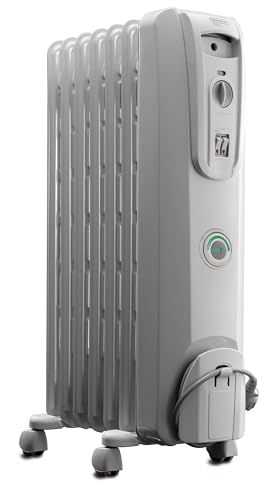
Simple Controls allow you to easily adjust power level and temperature.

Comfortable and Uniform Heating: The 100 Square Feet floor heating cable kit includes the heating mat, thermostat, alarm, and floor temperature sensor. The heating mat elevates the temperature from the bottom up, bidding farewell to the stuffiness and dryness of ordinary heaters. Cable Size: 1.7 x 61.0 ft / 50.9 x 1858.1 cm

Comfortable and Uniform Heating: The 20 Square Feet floor heating cable kit includes the heating mat, thermostat, alarm, and floor temperature sensor. The heating mat elevates the temperature from the bottom up, bidding farewell to the stuffiness and dryness of ordinary heaters. Cable Size: 1.6 x 13.1 ft / 50.0 x 398.4 cm
Optimal Temperature Range
For living spaces, an optimal temperature range is 70°F to 80°F (21°C to 27°C). Bathrooms may benefit from slightly higher temperatures, around 75°F to 85°F (24°C to 29°C), ensuring a cozy environment. Bedrooms commonly stay comfortable at 68°F to 75°F (20°C to 24°C) for quality sleep.
| Room Type | Recommended Temperature (°F) | Recommended Temperature (°C) |
|---|---|---|
| Living Room | 70 – 80 | 21 – 27 |
| Bathroom | 75 – 85 | 24 – 29 |
| Bedroom | 68 – 75 | 20 – 24 |
Factors Affecting Temperature Needs
Several factors influence how you set your radiant floor heating temperature:
- Room Usage: High-traffic areas or rooms where you spend more time often require higher temperatures compared to less frequently used spaces.
- Floor Covering: Types of flooring impact heat transfer; materials like tile allow faster heat conduction than carpets or rugs.
- Weather Conditions: In colder months, increasing temperatures helps maintain comfort during significant temperature drops outside.
- Insulation Quality: Well-insulated spaces keep heat better, allowing you to set lower temperatures without sacrificing warmth.
Adjusting for these factors helps you reach the ideal comfort level in your home while maintaining energy efficiency.
Common Mistakes To Avoid
Understanding radiant floor heating can help you maintain optimal warmth. Avoiding common mistakes ensures comfort and efficiency.
Setting Too High Or Too Low
Setting the temperature too high or too low often leads to discomfort. For instance, temperatures above 85°F (29°C) can create a hot environment that feels overwhelming. Conversely, settings below 70°F (21°C) might not provide sufficient warmth, making spaces feel chilly.
Aim for the recommended ranges based on your room’s purpose. For living rooms, maintain a temperature between 70°F to 80°F (21°C to 27°C). In bathrooms, target 75°F to 85°F (24°C to 29°C). For bedrooms, keep it between 68°F to 75°F (20°C to 24°C). Regularly check and adjust the thermostat to avoid these extremes.
Ignoring Floor Type Variations
Different floor types affect heat transfer efficiency. Ignoring these variations can lead to uneven warmth. For example, tile floors retain heat, providing a warm feeling even at lower temperatures. In contrast, thick carpets can insulate against heat, leading to a cooler room.
Choose the right temperature settings based on your floor type. If you have carpets, consider setting temperatures slightly higher to compensate for reduced heat transfer. Monitor the temperature and adjust as needed based on how your flooring type absorbs heat.
Conclusion
Finding the right temperature for your radiant floor heating system can make all the difference in your home’s comfort. By keeping your settings within the recommended ranges and considering factors like room usage and flooring type, you can create a cozy atmosphere that feels just right.
Don’t forget to utilize programmable thermostats and temperature sensors to keep everything in check. With a little attention to detail, you’ll enjoy the warmth and energy efficiency that radiant heating offers, making your living space a true haven. Embrace the warmth and enjoy every step you take on those inviting floors.
Frequently Asked Questions
What is radiant floor heating?
Radiant floor heating is a system that warms a room by heating the floors. The heat radiates upwards, providing consistent warmth and comfort. It prevents cold spots and is particularly effective in areas like bathrooms and living spaces.
What are the benefits of radiant floor heating?
Key benefits include even heat distribution, improved comfort levels, energy efficiency, and lower utility bills. It effectively warms spaces without creating cold areas, enhancing the overall atmosphere of your home.
What temperature should I set for radiant floor heating?
For optimal comfort, recommended temperature ranges are 70°F to 80°F for living rooms, 75°F to 85°F for bathrooms, and 68°F to 75°F for bedrooms. Adjustments may be necessary based on individual room usage and insulation.
How does thermostat management improve efficiency?
Using programmable thermostats allows homeowners to create heating schedules tailored to their needs. This ensures efficient temperature control throughout the day, enhancing comfort while reducing energy consumption and costs.
Can I use rugs with radiant floor heating?
Yes, but it’s important to choose the right type of rug. Thick carpets can hinder heat transfer, so opt for thinner rugs that allow warmth to penetrate easily, ensuring effective heating throughout the room.
What common mistakes should I avoid with radiant floor heating?
Avoid setting temperatures too high or too low, as this can cause discomfort. Also, be mindful of adjusting settings based on your flooring type to ensure efficient heat transfer and even warmth across the room.
