
Is your furnace thermostat acting up again? You’re not alone. Many homeowners face this frustrating issue, especially when the temperatures drop and you need your heating system the most. A malfunctioning thermostat can leave you shivering in your own home or cranking up the heat unnecessarily, leading to skyrocketing energy bills.
Key Takeaways
- Understanding Types of Thermostats: Familiarize yourself with different thermostat types—analog, digital, smart, and mechanical—to troubleshoot issues effectively.
- Common Symptoms: Watch for signs of a malfunctioning thermostat, such as no heat or inconsistent heating, unresponsive controls, and unusual cycling to identify problems early.
- Troubleshooting Steps: Follow basic troubleshooting techniques like checking the power supply, inspecting wiring connections, and replacing batteries to restore functionality.
- Potential Causes: Be aware that dead batteries and dust buildup are frequent causes of thermostat malfunctions, which can be resolved through simple maintenance.
- Professional Help: Consider contacting a professional if you experience persistent issues, unusual noises, or increased energy bills; they can provide expert diagnostics and repairs.
- Choosing a Technician: Verify credentials, read reviews, request estimates, and inquire about experience to ensure you hire a qualified technician for your thermostat issues.
Understanding Furnace Thermostats
Furnace thermostats play a crucial role in regulating your home’s temperature — start from our thermostat and controls how-to library when the display looks fine but heat never arrives. Knowing how they operate can help diagnose issues like malfunctioning units.
Types of Thermostats
- Analog Thermostats: Operate with a simple dial or switch. Adjusting the temperature setting changes the dial position.
- Digital Thermostats: Feature a digital display. You can set specific temperatures with greater precision.
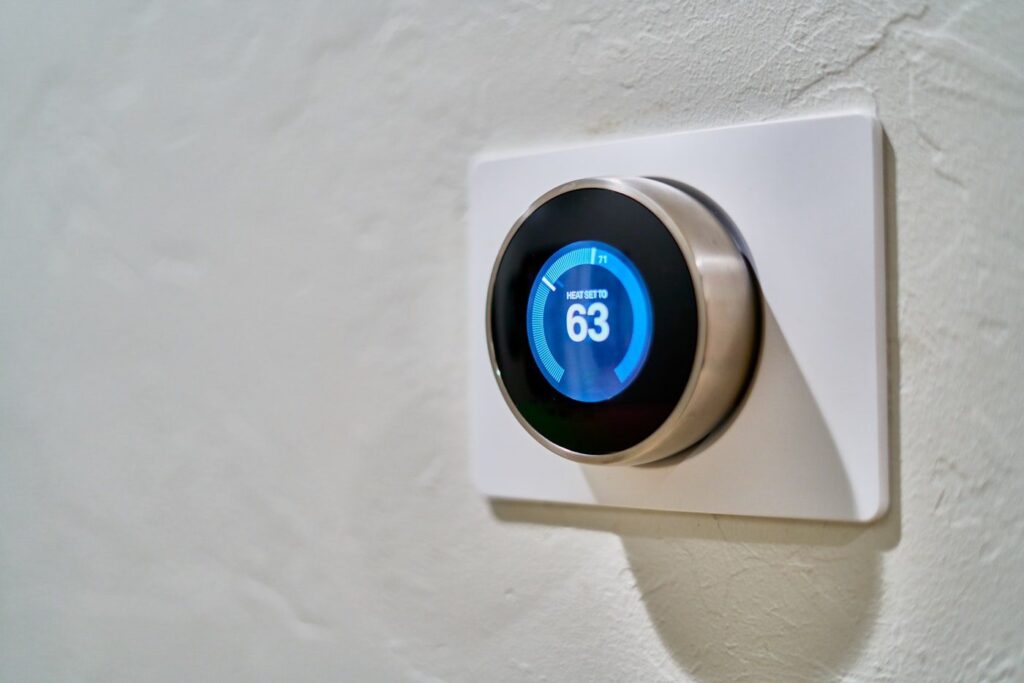
- Smart Thermostats: Connect to Wi-Fi, allowing remote access via smartphone apps. They learn your schedule to optimize heating.
- Mechanical Thermostats: Use a bimetallic strip to sense temperature. Common in older systems, they require manual adjustment.
How They Work
Thermostats detect air temperature and communicate with the furnace to turn it on or off.
- Temperature Sensing: Internal sensors gauge the surrounding air temperature.
- Signal Sending: When the temperature diverges from your set preference, the thermostat sends a signal to the furnace.
- Heating Activation: The furnace activates and begins heating the air.
- Temperature Regulation: Once the desired temperature is reached, the thermostat signals the furnace to shut off.
Understanding these components helps troubleshoot problems, especially when the furnace isn’t responding as it should.
Common Symptoms of a Malfunctioning Thermostat
A malfunctioning thermostat can lead to gaps in heating efficiency, causing discomfort in your home; rule out batteries with the dead thermostat batteries checklist before replacing the furnace. Recognizing these common symptoms helps in identifying the issue early and belongs beside our thermostat-related no-heat troubleshooting when modes are wrong.
No Heat or Inconsistent Heating
You may notice a lack of heat or inconsistent heating throughout your home. This issue often arises when the thermostat fails to signal the furnace to turn on or off. For example, you might find certain rooms warm while others are uncomfortably cold. Check the thermostat settings to ensure it’s set to “heat” and the temperature is raised above the current room temperature. If it’s already verified, inspect the wiring connections and batteries if applicable.
Unresponsive Controls
Unresponsive controls indicate problems with the thermostat. You might push buttons or turn dial settings without any response from the system. This can signal a dead battery in battery-operated models or electrical issues in wired models. Start by replacing the batteries if applicable. If that doesn’t resolve the issue, inspecting the circuit breaker for tripped switches is advisable. Resetting the breaker might restore functionality.
Troubleshooting Steps
When your furnace thermostat isn’t working, you can take several steps to diagnose the issue. Follow these troubleshooting tips to get your heating system back on track.
Checking Power Supply
Ensure your thermostat receives power. If the display is blank, check the power source.
- Locate the Circuit Breaker: Find the panel and inspect for tripped breakers. Reset any tripped circuits by flipping the switch off and on.
- Inspect Batteries: For battery-operated thermostats, replace old batteries. Use fresh, high-quality batteries for optimal performance.
- Test Power Outlet: If the thermostat plugs into an outlet, verify that the outlet works. Use a lamp or another device to check functionality.
Inspecting Wiring Connections
Loose or damaged connections can cause malfunctioning thermostats. Review the wiring carefully.
- Remove Thermostat Cover: Gently take off the cover to access the wiring.
- Check Secure Connections: Ensure all wires are firmly attached to their respective terminals. Loose connections can interrupt power.
- Look for Damage: Inspect wires for signs of wear or fraying. Damaged wires may require replacement to restore functionality.
- Consult Manual: Reference the user manual for wiring diagrams to ensure correct connections.
Following these steps can help identify common issues causing your thermostat to malfunction.
Potential Causes of Issues
A malfunctioning thermostat can stem from various issues. Understanding these potential causes helps in diagnosing the problem efficiently.
Dead Batteries
Dead batteries often cause thermostats to stop functioning. Many digital and battery-operated models rely on fresh batteries to operate. If your thermostat is unresponsive, consider replacing the batteries first. Typically, two AA or AAA batteries are required.
Check the battery compartment for easy access. After replacing the batteries, set the thermostat to your desired temperature to test its responsiveness.
Dust and Debris Buildup
Dust and debris buildup inside your thermostat can significantly affect its performance. Dust accumulation can hinder temperature sensing capabilities, leading to inaccurate readings.
To prevent this issue, clean the thermostat regularly. Start by turning off the power to the furnace. Remove the thermostat cover and use a soft brush or a vacuum with a brush attachment to clean away any accumulated dust. Ensure the area around the thermostat remains free of dust as well. This simple maintenance step can improve the accuracy and efficiency of your thermostat.
When to Call a Professional
If troubleshooting hasn’t resolved your thermostat issues, contacting a professional becomes essential. Here are key indicators and advice on selecting the right technician.
Signs of Serious Problems
- Persistent Temperature Irregularities: If your home remains too hot or too cold despite adjusting the thermostat, it indicates a deeper issue.
- Unusual Noises: Strange sounds coming from the furnace or thermostat could suggest mechanical failures.
- Frequent System Cycling: If your furnace turns on and off rapidly, known as short cycling, it may signal overheating or other malfunctions.
- Increased Energy Bills: Significant spikes in your utility bills without increased usage point to inefficient heating, possibly linked to a faulty thermostat.
- Inability to Set Desired Temperatures: If you can’t set specific temperatures or the thermostat display remains blank, it’s time to seek help.
- Verify Credentials: Confirm that the technician holds valid licenses and certifications for HVAC work, ensuring they meet industry standards.
- Read Reviews: Look up online reviews or ask for recommendations from friends or family. Real experiences provide insight into the technician’s reliability and service quality.
- Request Estimates: Call multiple technicians to get quotes. This helps gauge fair pricing and whether costs align with your budget.
- Inquire About Experience: Ask about their experience dealing with thermostat and furnace issues. Technicians familiar with your specific brand and model deliver better service.
- Check Warranties: Inquire if their work comes with warranties. A good warranty shows confidence in their services, offering you peace of mind.
Acting promptly can prevent further complications and ensure a comfortable home.
Conclusion
Dealing with a malfunctioning furnace thermostat can be a hassle but knowing what to look for can make all the difference. By staying attentive to symptoms and taking proactive steps, you can often resolve issues without too much trouble.
Remember to keep your thermostat clean and check those batteries regularly. If things still aren’t working right it might be time to call in a professional to help. A cozy home is just around the corner with a little care and attention to your thermostat. Stay warm and comfortable this season!
Frequently Asked Questions
What are the common symptoms of a malfunctioning furnace thermostat?
Malfunctioning thermostats often lead to symptoms such as a lack of heat, inconsistent heating, unresponsive controls, or fluctuating temperatures. Homeowners might notice their home not warming up adequately or finding that the thermostat doesn’t activate the furnace when needed. It’s crucial to recognize these signs early to maintain heating efficiency.
How can I troubleshoot my thermostat problems?
Begin troubleshooting by checking the power supply and ensuring that the circuit breaker isn’t tripped. For battery-operated models, replace the batteries. Inspect wiring connections after removing the thermostat cover, making sure they are secure and undamaged. Consult your user manual for detailed wiring diagrams if necessary.
Why is regular cleaning of the thermostat important?
Regular cleaning helps maintain accurate temperature readings and enhances thermostat performance. Dust and debris can interfere with temperature sensing capabilities. By turning off the power and gently cleaning with a soft brush or vacuum, you can ensure your thermostat operates efficiently and accurately.
When should I call a professional for thermostat issues?
Contact a professional if you notice persistent temperature irregularities, hear unusual noises from your thermostat or furnace, or experience frequent cycling. Additionally, if you’re facing unusually high energy bills or cannot set the desired temperature, it’s advisable to seek expert help for diagnosis and repair.
What types of thermostats are available for home use?
Common types of thermostats include analog, digital, smart, and mechanical models. Analog thermostats are simpler, while digital and smart thermostats offer advanced features like programming and remote access. Mechanical models operate on basic temperature sensing and control mechanisms. Understanding different types helps homeowners choose suitable options.