HVAC Troubleshooting for Homeowners
When something feels off — no heat, short cycles, a new noise, water where it should not be — start with safe checks you can do without tools. Power, thermostat mode, filter, vents, and outdoor clearances solve more “emergencies” than people expect.
I write these guides as a homeowner educator, not as your licensed technician. If you smell gas, see scorched wiring, or the system keeps tripping breakers, stop and call a pro. The goal here is clarity: what to try first, what the symptom often means, and when DIY ends.
Before you dig in
Safety first
Gas odor, burning smells, or flooded equipment are stop-and-call moments — not DIY weekends.
Start simple
Thermostat settings, dirty filters, and closed vents cause a surprising share of “broken” calls.
Know the limit
Opening sealed combustion areas or handling refrigerant is outside homeowner scope.
Guides to start with
Start with these practical guides — clear steps you can try at home, with notes on when it’s time to call a pro.
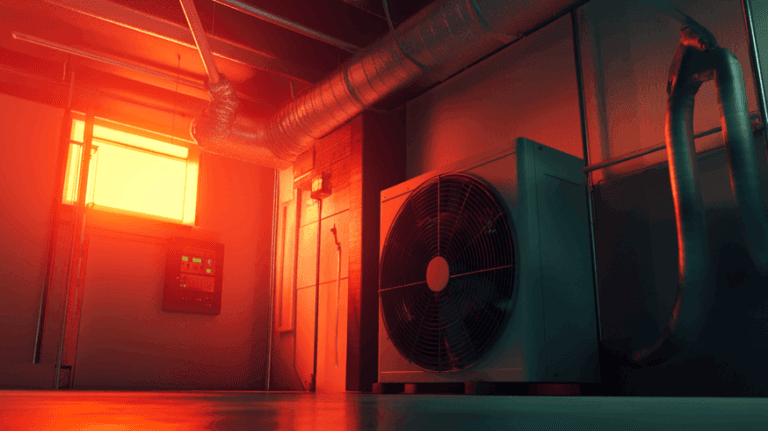
11 Signs Your HVAC Unit Is About to Break Down
Open guide
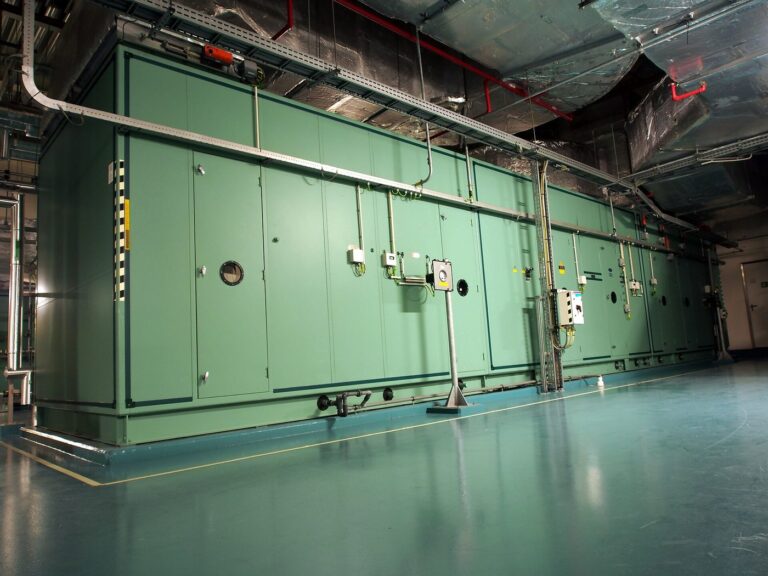
Carrier Gas Furnace Troubleshooting
Open guide
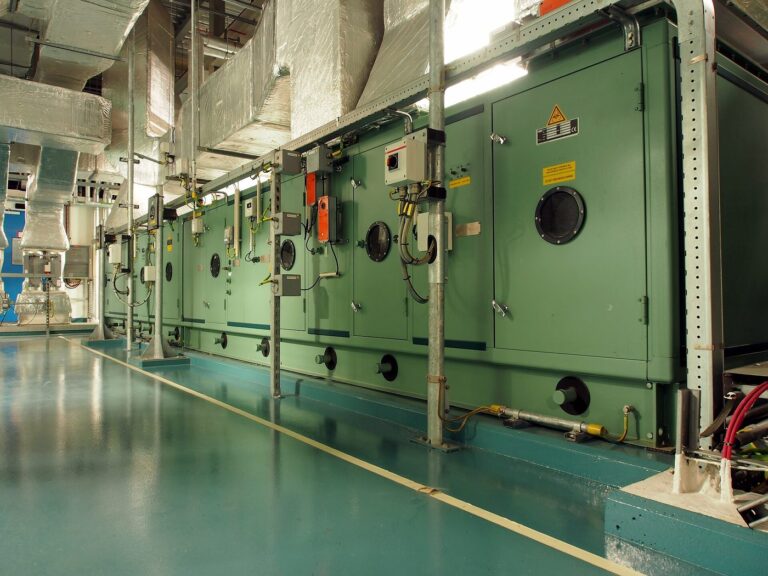
Trane Furnace Troubleshooting Guide
Open guide
Electronic Pilot Light on Furnace Not Working
Open guide
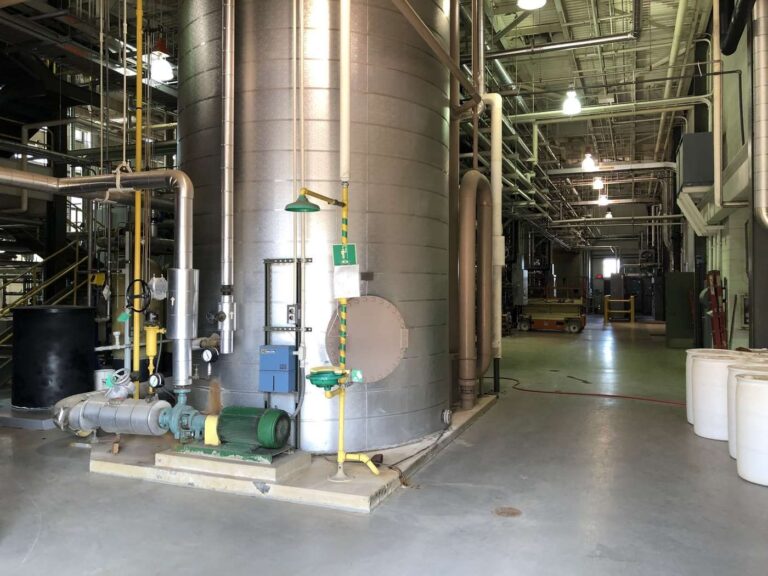
Furnace Motor Not Working
Open guide
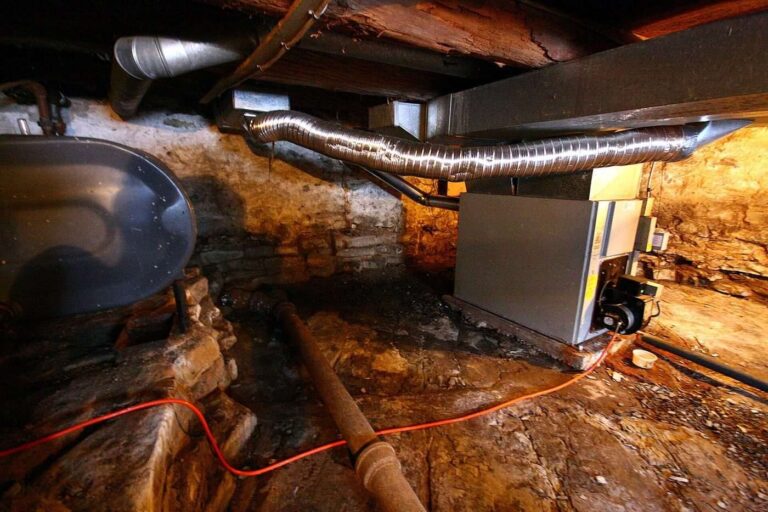
Electric Furnace Troubleshooting
Open guide
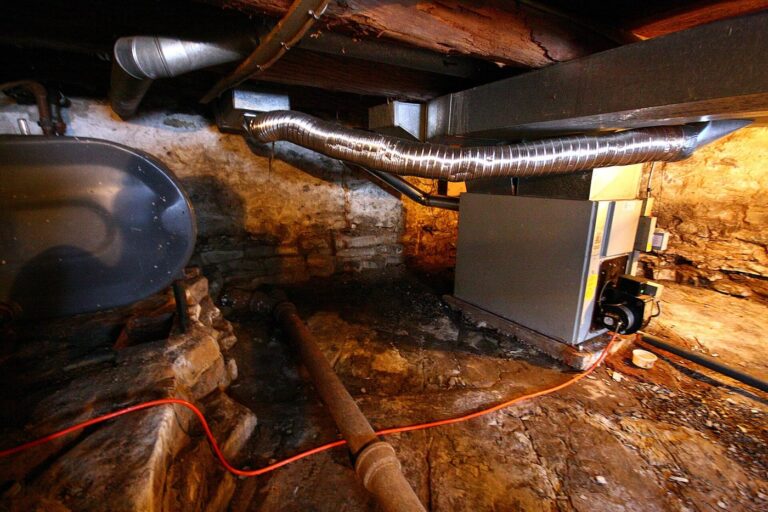
Why the Furnace Won't Turn On
Open guide
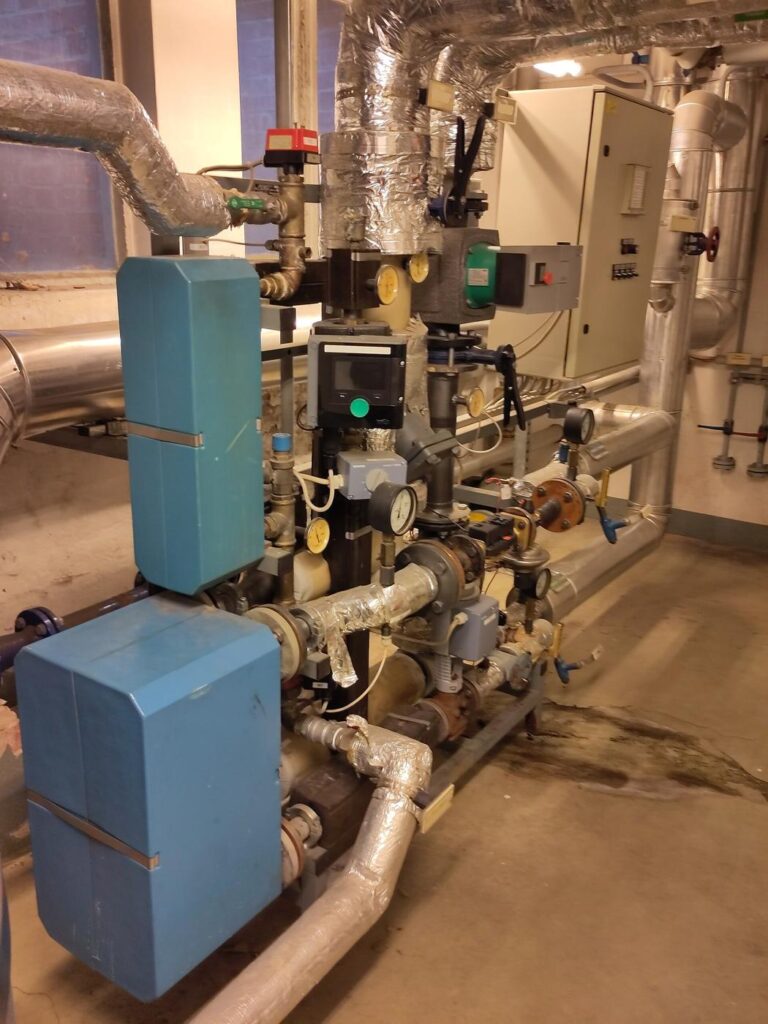
How to Fix Furnace Ignitor
Open guide
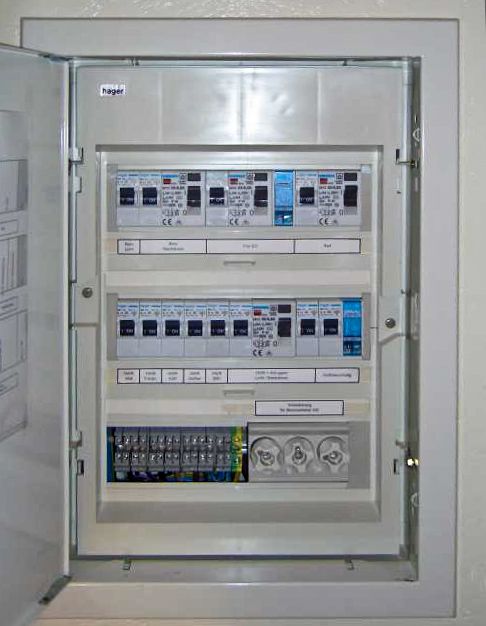
Furnace Transformer Troubleshooting
Open guide