
I like doing cooling prep on a mild weekend — not at 5 p.m. when the house is already 82°F.
I’m Steven. This is the calm list I want neighbors to run before the first heat wave: filters, outdoor clearance, thermostat sanity, airflow paths, and a clear sense of what is (and isn’t) DIY. You’re not trying to become a technician. You’re trying to remove the dumb failures and know your limits.
Why pre-season beats panic-season
Parts houses and good techs get slammed when the first 90°F week arrives. A filter you meant to buy “next time you were at the store” becomes a same-day scramble. A condenser buried in spring weeds becomes a weak-cooling complaint on the hottest Saturday. Ten unhurried tasks in May prevent a miserable Tuesday in July.
The short list (then the details)
- New filter, correct size, arrows matching airflow.
- Thermostat in Cool, schedule sane for how you live, batteries if needed.
- Outdoor unit cleared and rinsed gently.
- Supply and return paths open.
- Quick test run on a warm afternoon; listen for new noises.
- Know your breaker and disconnect locations.
- Confirm you still remember where the condensate drain exits.
- Walk the house for obvious envelope issues you’ll actually fix.
- Decide whether a pro tune-up belongs on the calendar this year.
1. Filters without the marketing spiral
Size first. MERV second. For many homes, MERV 8–11 is the practical everyday range; higher ratings need cabinet and blower headroom, especially in 1″ slots. Write the size on the utility closet wall so you’re not squinting at a crushed box in a heat wave. If you have pets or remodel dust, shorten the interval instead of only chasing a higher MERV number.
Use the summer filter MERV picker when you’re unsure — but don’t delay a basic replacement while you research.
2. Thermostat and batteries
Put the mode in Cool and run a short test when outdoor temps cooperate. Replace batteries on older stats now, not when the display dies during a party. If you use a schedule, make sure it matches real life: work-from-home days, kids home in summer, evening setbacks you can live with. The realistic schedule article and setpoint bill-impact estimator help you think in tradeoffs instead of heroic temperature drops.
3. Outdoor condenser clearance
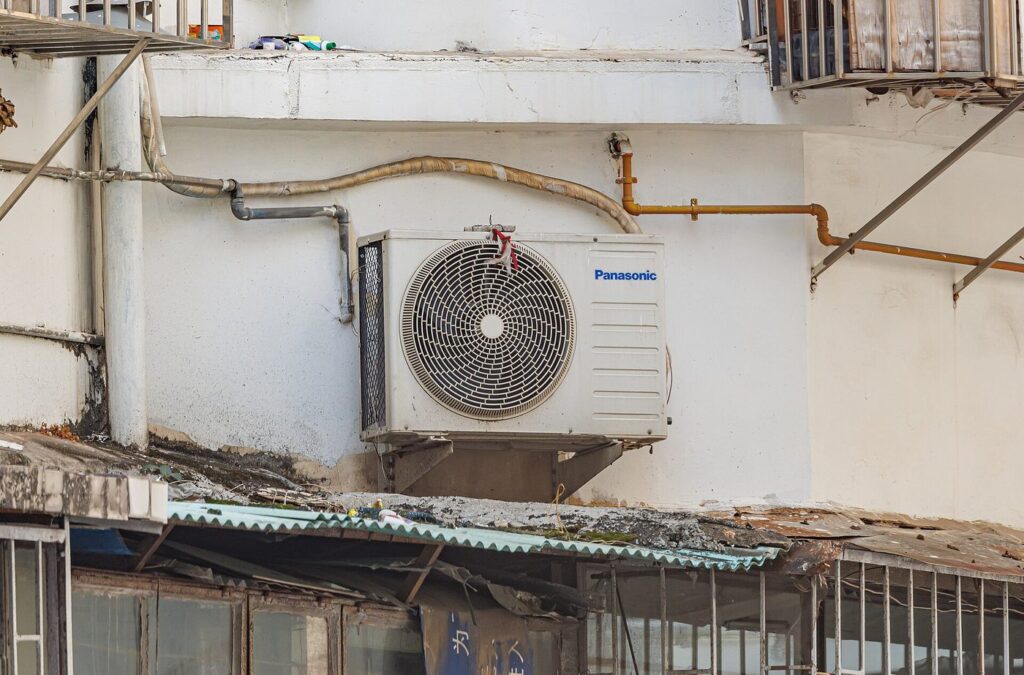
Weeds, leaf mats, storage bins, and winter debris all steal airflow. Clear the sides, keep discharge paths open, rinse gently from the outside, and leave electrical work alone. Details live in the outdoor condenser clearance guide.
4. Air in, air out
Open returns that furniture blocked over the winter. Make sure rugs aren’t covering floor supplies. Resist the urge to close most vents to “force” air somewhere else. Walk closets and guest rooms you forgot existed.
5. Condensate path glance
Find the drain exit outdoors. Note algae slime or a buried outlet. If you have an attic air handler, know where the secondary pan and float switch live even if you don’t touch them. Water stories are easier before they stain ceilings — see condensate drain basics for AC.
6. A controlled test run
On a warm afternoon, set Cool a few degrees below room temperature. After 10–15 minutes, supply air should feel clearly cooler. Listen for new grinding or screaming outdoors. If you see ice, stop and follow the why AC coils freeze guide — don’t keep forcing it.
7. Know your shutoffs
Label the air handler switch and the breaker that feeds outdoor equipment if labels are missing. You’re not doing electrical work — you’re making sure a future you can shut things down quickly.
When to book a pro before peak season
- System is older, noisy in a new way, or under a maintenance agreement you’ve been ignoring
- Last summer ended with weak cooling you “lived with”
- Attic condensate history, repeated float trips, or unexplained water
- Heat pump behaviors you don’t understand before cooling season flips
Tune-ups aren’t magic, but catching a failing capacitor in May beats finding it at 6 p.m. in a heat advisory.
What I skip on purpose
I don’t crack open electrical panels to “check capacitors” because a forum post showed a multimeter photo. I don’t add refrigerant. I don’t pull a furnace burner cover to clean a coil I’m not trained to reassemble. Prep is powerful because it’s bounded.
If a YouTube video requires you to defeat interlocks or prop safety doors, that’s entertainment, not your Saturday plan.
Household coordination
Tell the family where the thermostat modes live and which filter size belongs in the slot. A well-meant “I bought a cheaper filter” surprise can undo your prep if the size is wrong. Put the spare on a labeled shelf. If someone loves closing vents, have the airflow conversation before peak heat.
Habits that make prep stick
Put filter buys on a recurring reminder. Keep one spare correct-size filter on the shelf. Use the interactive seasonal checklist tool so the list isn’t trapped in your head. Pair cooling prep with the unsexy energy habits in habits that cut HVAC waste — schedules, clearance, and envelope drafts move bills without a new system.
A one-hour Saturday version
If you only have an hour: replace the filter, clear the outdoor unit, set Cool and test briefly, find the drain exit, and confirm breakers haven’t tripped. Park deeper thermostat optimization for another evening. An hour of fundamentals beats a perfect spreadsheet of tasks you never start.
Keep the receipt or write the filter date on the frame. Future heat-wave you will not remember whether “recently” meant March or last August.
Where to keep the spare filter
Store one correct-size spare on a labeled shelf in the mechanical area — not in a damp corner where the cardboard softens. When you install the spare, buy the next one the same day. That tiny supply-chain habit is the difference between “we meant to” and actually being ready when pollen season loads the media in two weeks.
When to call now instead of waiting
If your test run fails basic cooling after filter and clearance checks, don’t wait for the heat wave to “see if it improves.” Call while techs still have calendar holes. Same if you find active leaks, ice, or electrical oddities during prep.
Related hub: summer cooling prep guides. Prep is boring on purpose. Boring on a mild Saturday is the whole point.