

Cooling makes water. That condensate should go down a drain line or to an approved outdoor drip — not into your ceiling, furnace cabinet, or floor.
I’m Steven. When someone says there’s water “by the AC,” I slow them down long enough to ask where, how much, and whether electricity is involved. Puddles are common. Ignoring them near live equipment is how small drain issues become drywall projects.
Where the water should go
Most central systems collect condensate at the indoor coil and send it through a PVC line. Some homes drain to a floor drain; others terminate outside through a side wall. Some have a condensate pump that lifts water to a sink or laundry standpipe. Many have a float switch that shuts the system down when the pan fills — annoying when it trips, better than a soaked ceiling.
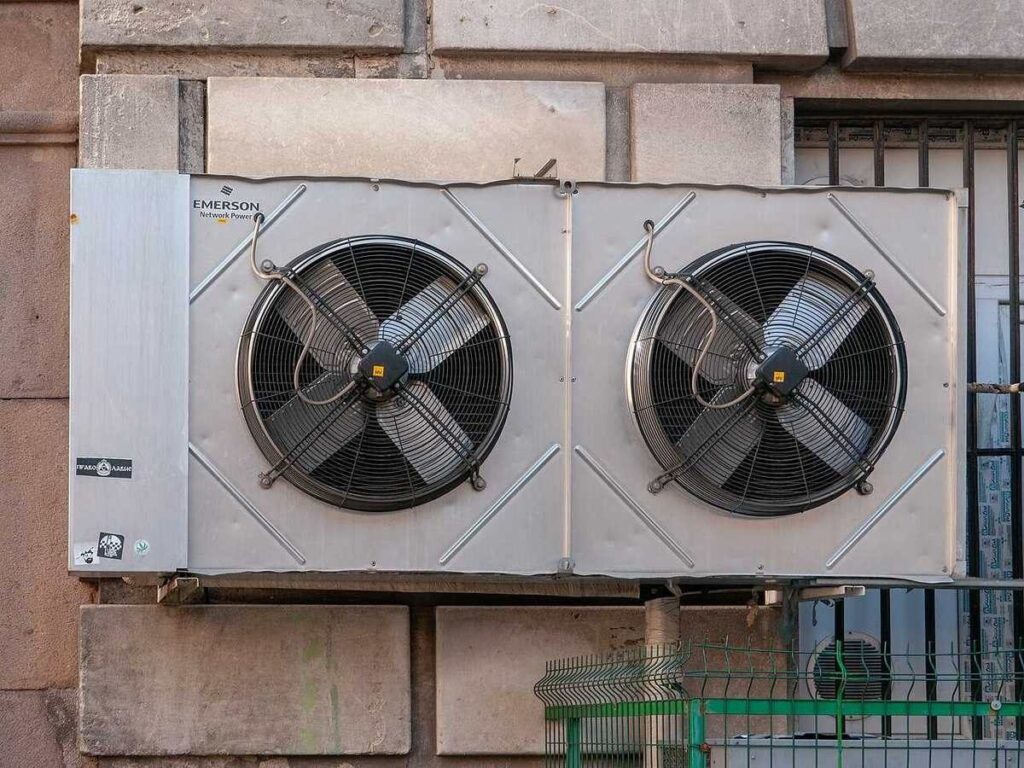
Outdoor units can also show wetness from rain, irrigation overspray, or defrost on heat pumps. Not every wet pad is a crisis. Indoor water near the air handler or stains on the ceiling below an attic unit deserve faster attention.
Homeowner-safe checks
- Look for an overflowing pan or damp insulation near the air handler if the area is accessible without removing sealed panels.
- Find the outdoor termination of the drain line — is it clogged with algae slime or buried in mulch?
- Replace a filthy filter; heavy icing cycles can dump meltwater in awkward places.
- Confirm a condensate pump (if you have one) still hums and discharges when the system runs.
- Note whether a float switch recently shut the system off — that’s a clue, not a nuisance to bypass.
Why drains clog in the first place
Condensate isn’t sterile distilled water in real life. Dust, biofilm, and algae like dark, damp PVC. A line that ran fine in May can slow in August when the system runs for hours. Attic installs are especially unforgiving because overflow lands in insulation and drywall.
Dirty filters and icing make it worse. Ice melts in surges. If the drain is already half-blocked, that surge overflows the pan. Fixing only the drain without looking at airflow can leave you in a loop.
What I don’t recommend as casual DIY
Pouring harsh chemicals blindly into drain lines, dismantling trap assemblies you don’t understand, or jumping a float switch so the AC will “just run through the party.” A shop-vac on the drain line is a common tech trick — only try approaches you’re comfortable with, and never force fittings. If the trap is glued in ways you don’t follow, stop.
Bleach debates rage online. I’m not your chemist. I am comfortable saying: don’t create toxic fumes in a mechanical closet, don’t flood the pan, and don’t assume a random pour clears a collapsed or disconnected line in an attic.
Outdoor wetness vs indoor leaks
A damp pad under an outdoor unit after rain is often normal. A steady indoor drip while cooling runs is not something to perfume away with a towel. Trace whether water follows the copper lines (sweating lines can be insulation issues) or comes from the drain pan path. Sweaty supply lines in humid basements are a different conversation than an overflowing secondary pan.
Tie-ins to ice and airflow
If you also saw ice on the indoor coil or copper, treat freeze recovery as part of the water story. Turn Cool off, thaw with the fan, replace the filter, then reassess the drain. The why AC coils freeze guide covers that sequence. Weak cooling plus water often shows up together — use the AC checklist when cooling falls flat so you don’t fix only the symptom you noticed first.
When to call a pro
- Ceiling stains, sagging drywall, or water near lights
- Water inside electrical or burner compartments
- Float switch trips that return after a temporary clear
- Condensate pump that runs constantly, never runs, or smells burnt
- You’re in an attic and the only access involves walking insulation like a balance beam
Techs can flush lines properly, check traps, test switches, clean pans, and confirm the coil isn’t dumping water because it’s iced or dirty. That’s money well spent compared with flooring.
Float switches are not the enemy
When a float switch kills cooling on a humid day, the temptation is to wire around it “just for tonight.” Don’t. That switch is often the only thing standing between a clogged line and a ruined ceiling. Clear the drain path or call someone who can. Temporary towels are not a control strategy.
If you recently remodeled and the air handler closet got tighter, make sure the pan is still visible enough to inspect. Out of sight is how slow leaks become surprises.
Renters and shared systems
If you don’t own the equipment, you can still replace an accessible filter, report water quickly, and avoid blocking returns. Don’t dismantle traps in a building mechanical room you don’t control. Document with photos when you message a landlord — timestamps help.
What to tell the tech when you call
Say where the water is, whether the system is currently running, whether you’ve seen ice recently, and whether a float switch tripped. Mention attic vs basement air handler. Note if the outdoor drain exit was buried or dry. That short briefing beats “there’s water somewhere.”
If you shut power off because water reached electrical parts, say that too. Don’t restart for the appointment’s sake if the unsafe condition remains.
After a clog is cleared
Watch the next few cooling cycles. Confirm the outdoor exit drips normally and the pan stays empty. If the float switch tripped, make sure it moves freely afterward. A clear day followed by another overflow within a week means the line or trap still isn’t right — call before the ceiling becomes part of the story again.
Prevention that actually sticks
Keep filters on a real schedule. Glance at the outdoor drain exit when you trim around the condenser. Know where your air handler lives before July. If you have a maintenance plan, ask whether condensate service is included — especially for attic units.
Add drain awareness to spring prep with the seasonal drain and outdoor checklist. More cooling guides: cooling leak and AC guides.
Water is normal. Water in the wrong place is a stop-and-think moment. Clear what you can see safely, don’t bypass safety switches, and call when the path of the leak is above your comfort — or above your living room.