

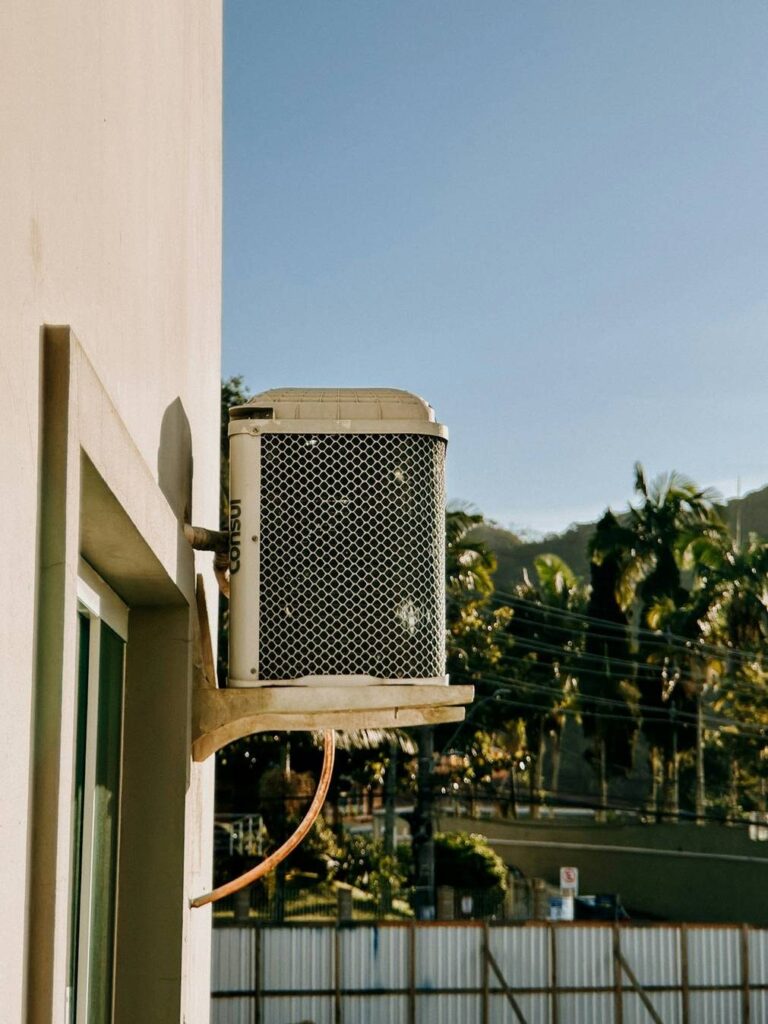
A frozen AC coil looks dramatic. Ice on the copper lines, a quiet indoor unit, then a puddle when it melts. The internet will tell you it must be “low on freon.” Sometimes that’s true. Often it’s airflow.
Here’s how I think about it as a homeowner educator — not as someone holding gauges. I’m Steven. I want you to thaw safely, fix what you’re allowed to fix, and stop before you turn a coil problem into a water problem or an electrical one.
What freezing usually means
The indoor coil gets too cold relative to the air moving across it. Moisture freezes. When airflow is weak, the refrigerant still does its job of absorbing heat — but there’s not enough warm room air crossing the coil to keep the surface above freezing. Ice builds. Capacity drops. Eventually the system may look like it’s “running” while barely cooling.
Common homeowner-visible causes include a dirty filter, a blocked return, closed supply vents that raise static pressure in weird ways, and a coil face packed with dust (only if you can see it without forcing sealed panels). Outdoor issues can contribute too — a choked condenser changes how the whole circuit behaves — but the first place I look is still indoor airflow.
What it does not automatically mean
Ice is not a diagnosis by itself. It’s a symptom. Refrigerant undercharge from a leak can cause freezing. So can a failing blower, a stuck metering device, or a system that was short-cycled into odd conditions. Those belong to licensed techs with the right tools and recovery equipment.
What you should not do is order a jug of refrigerant online and “top it off.” That’s not a homeowner skill, and guessing charge levels can damage the compressor.
Safe first response
- Turn cooling off.
- Set the fan to On to move air while it thaws.
- Replace a dirty filter with the correct size.
- Open returns and supplies that were closed or blocked.
- Give it time — hours, not minutes — before restarting cool.
Why the thaw takes longer than you want
Ice is insulation. Until enough of it melts, airflow stays poor and the surface stays cold. Running Cool against a frozen coil often makes it worse. Fan On helps by moving room air across the ice so meltwater can drain the way condensate normally does.
Watch for where that water goes. A healthy drain path should handle meltwater. If your pan overflows or the ceiling stains while it thaws, treat that as a condensate problem too — see the AC condensate drain basics guide article.
After it thaws: the honesty test
Restart cooling and watch. Check the filter again if you skipped that step in the rush. Confirm the outdoor unit isn’t buried. Feel supply air after 10–15 minutes.
If it ices again within a day with a clean filter and open vents, call a licensed tech. Refrigerant leaks, failing blowers, and metering devices are outside DIY. Write down what you observed: how fast ice returned, whether the outdoor fan was spinning, and whether breakers tripped. That notes page saves everyone time.
Airflow habits that prevent a repeat
Change filters on a cadence you can actually keep. Pet hair and construction dust shorten intervals. Don’t close most of the house’s vents to “push” air into one room. Keep big furniture off returns. If you’ve been experimenting with a very high-MERV 1″ filter in a tight cabinet, consider stepping back toward MERV 8–11 and see whether freezing stops — restrictive filters are an underrated ice factory.
Outdoor clearance still matters. A condenser packed with weeds rejects heat poorly. Pair this guide with the clearance article and the homeowner checklist for weak cooling when comfort drops.
When ice shows up with other red flags
- Breaker trips while iced or during thaw
- Burning smells or scorched insulation
- Water into light fixtures or across the furnace burner area
- Grinding outdoor noises or a fan that won’t spin
- Ice on the outdoor unit in cooling mode (different story — don’t keep forcing it)
Any of those and I’m done with DIY for the day.
When to call a pro
Call when ice returns after a proper thaw and basic airflow fixes; when you can’t safely access the filter or drain path; when water threatens finished surfaces or electrical gear; or when the system never delivers clearly cool supply air even with everything open and clean.
A good tech will check static pressure, blower operation, coil condition, and the sealed system as needed. Your role is not to pretend you already know the answer — it’s to hand them a system that isn’t still a solid ice block when they arrive.
A note on “low freon” conversations
Neighbors love that phrase. Refrigerant is a closed charge in a healthy system — it doesn’t get “used up” like gasoline. If a tech finds a low charge, the real question is where it went. Spotting dye, soap bubbles, or electronic leak detection is their world. Yours is noticing whether freezing started after a filter neglect streak, a renovation that dumped dust into returns, or a sudden capacity loss with no airflow changes.
If someone offers to add refrigerant without looking for a leak or measuring superheat/subcooling properly, that’s a red flag. You’re allowed to ask what they found and what they fixed — politely, as a homeowner, not as a supervisor with a clipboard.
Indoor unit access without becoming a hero
Some air handlers make the filter obvious. Others hide it behind a grille or in a ceiling return. If getting to the coil means removing panels with warning stickers, high-voltage stickers, or gas furnace compartments you don’t understand, stop. Photograph the cabinet labels for the tech and stick to filter, vents, and outdoor clearance.
Never prop panels open and run the system “so it can breathe.” Panels are part of the designed airflow path on many cabinets.
Keep the bigger picture calm
Frozen coils feel like emergencies because they look like emergencies. Often they’re a filter and a few hours of patience. Sometimes they’re a leak. Either way, the safe sequence is the same: stop Cool, thaw with fan air, restore airflow, restart once, and escalate if it comes back.
More cooling how-tos live on the coil freeze and cooling guides. For seasonal prevention before peak heat, use the seasonal checklist tool.